Grease Traps
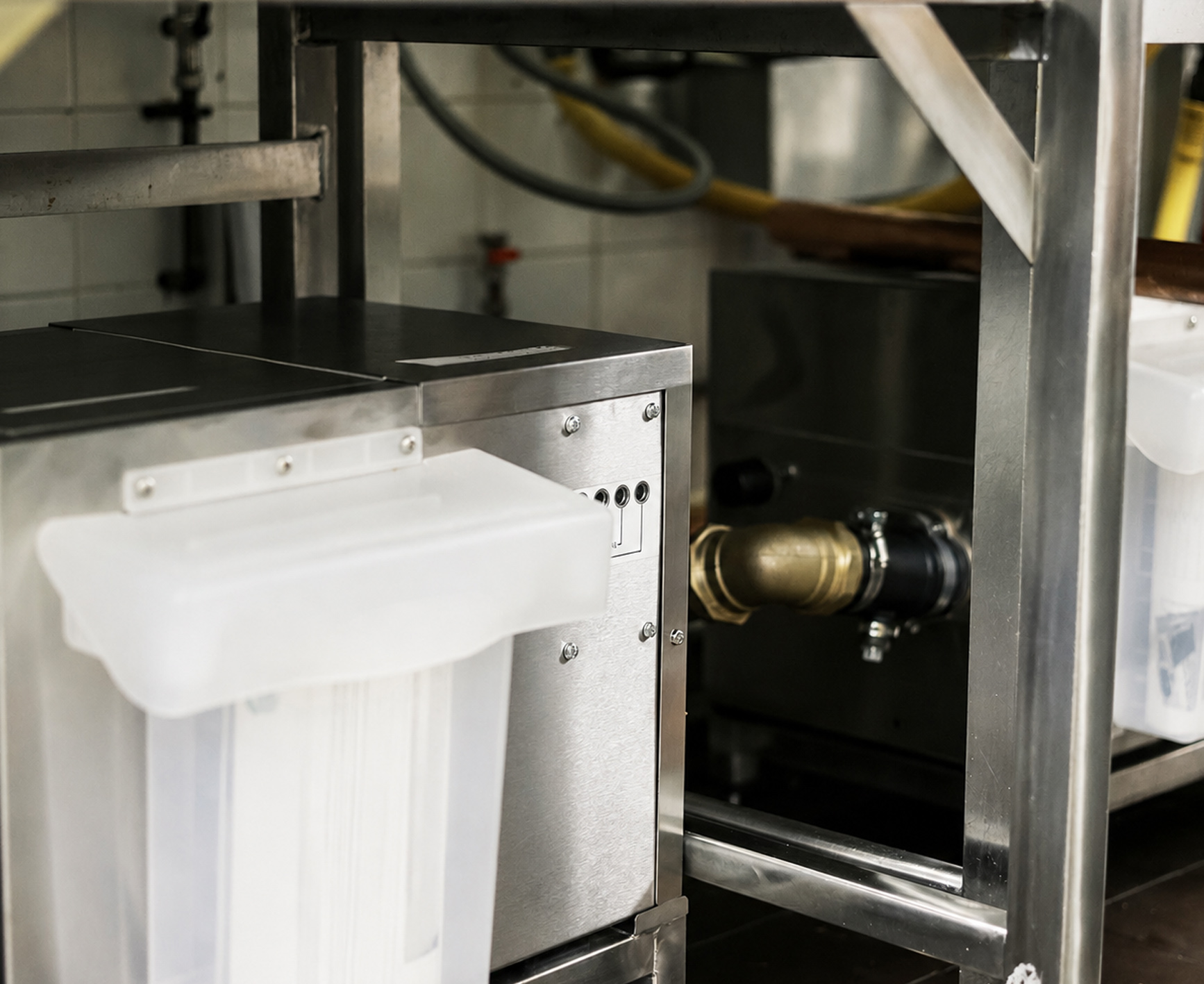
There are 3 main types of grease trap: automatic, passive hydromechanical (manual), and gravity.
Automatic grease traps
Automatic systems, also known as AGRU’s (automatic grease removal units), use some of the same principals as a traditional passive trap but re-heat and skim out the FOG automatically on a programmed schedule. The skimmed FOG is then transferred into a collector bin for easy removal and recycling. The programmed schedule is based on the amount of FOG produced and means operators don’t have to measure or check grease levels. Much like passive systems they’re available in a variety of sizes to accommodate a range of requirements. While they have a higher initial investment cost, they are more efficient and have lower long-term running and servicing costs.
Passive hydromechanical (manual) grease traps
Traditional passive systems are one of the most common systems used in smaller establishments. This is due to the low initial investment cost required to purchase one and the variety of sizes available, meaning they can be easily installed under most sinks while larger units are available to accommodate bigger wastewater production requirements. Designs of manual grease traps date back to 1885 when the first U.S. patent was issued. Even today grease interceptors use the same basic operating design as the 1885 model. They’re usually constructed from plastic or stainless steel and must be cleaned manually and on a regular basis.
Gravity grease traps
Gravity systems are usually large in-ground tanks constructed from concrete, fibreglass or steel. They work in a similar way to a passive hydromechanical trap but have a much larger capacity and are better for high-flow applications. Gravity traps must be pumped out on a scheduled basis, usually by a specialist grease management service company. With public awareness of environmental issues increasing, looking into your FOG management now is potentially a wise investment and effectively future-proofs your business against future legislation which some are predicting will become more stringent in this area in years to come.
Join Over 1000+ Companies with GreaseTech
Keeping Commercial Sites Flowing, Compliant and Operational
Grease Trap Supply
We supply reliable grease trap systems designed to suit your kitchen layout, usage levels and compliance requirements.
Learn more
Planned & Preventative Maintenance
Scheduled inspections and proactive servicing help reduce blockages, prevent disruption and keep drainage systems operating reliably.
Learn more
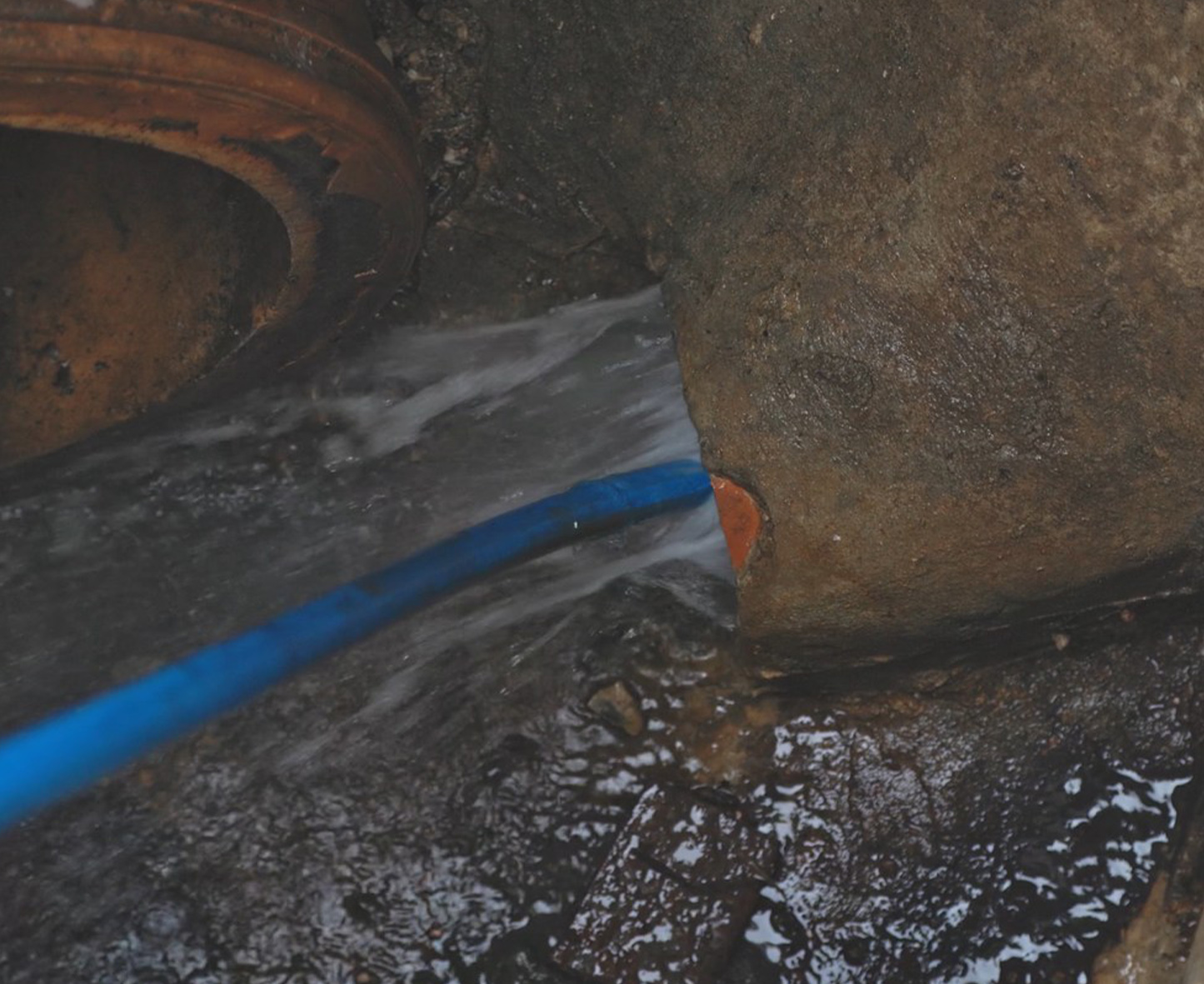
Excavations
Careful site assessment and professional excavation allow damaged drainage systems to be exposed, repaired or replaced safely.
Learn more
Reactive Drainage
Fast-response drainage support helps resolve urgent blockages, overflows and operational issues before they cause further disruption.
Learn more
Site Descaling
Targeted descaling treatments remove scale build-up from pipework and systems, helping improve flow, performance and reliability.
Learn more
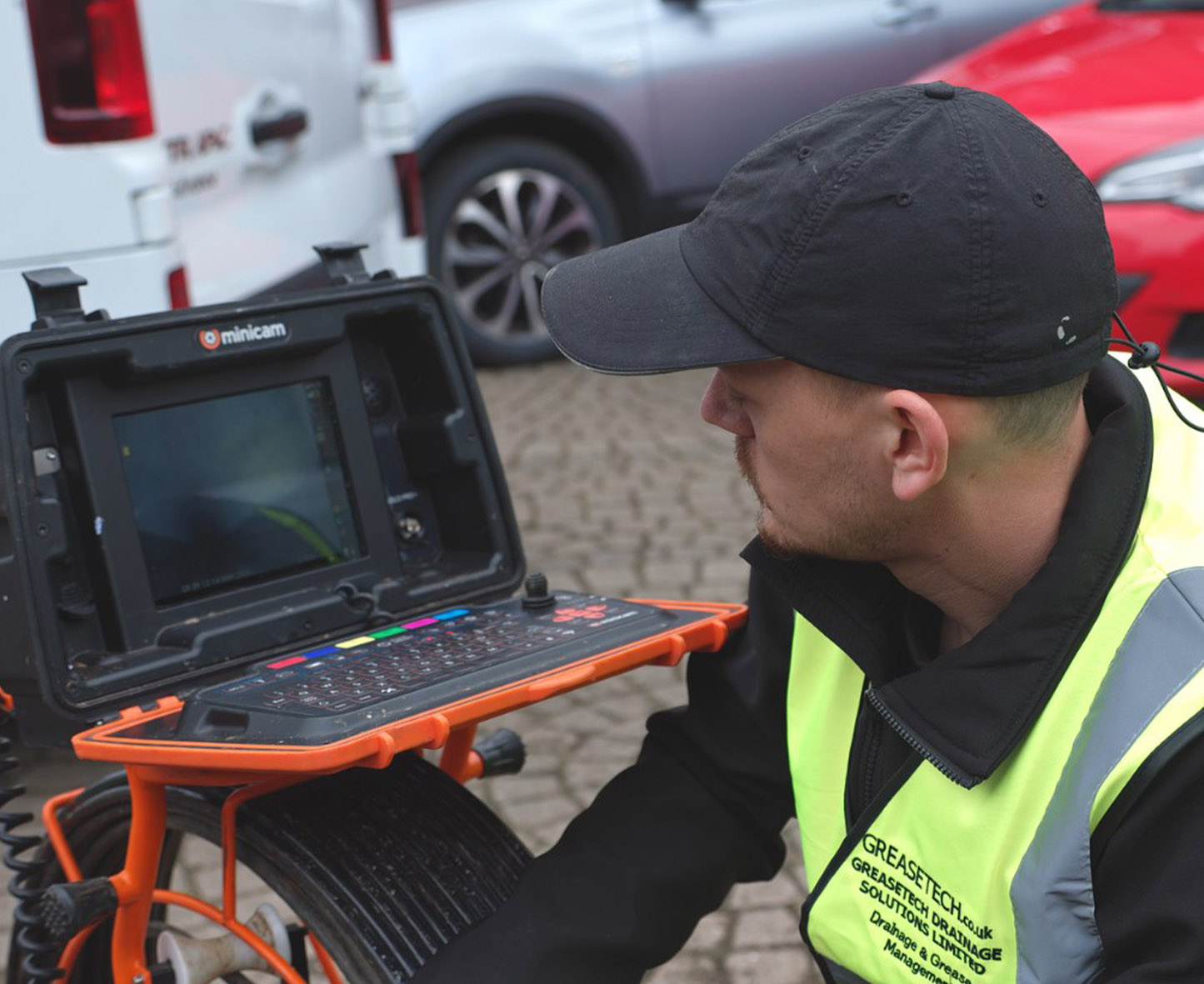
CCTV Surveys & Reporting
Detailed camera inspections and clear reporting identify drainage defects, blockages and structural issues with accuracy.
Learn more
No Dig Repairs
Trenchless repair methods restore damaged pipework without major excavation, helping reduce disruption, mess and downtime.
Learn more
Septic Tank Emptying
Safe waste removal and scheduled emptying help maintain septic systems and prevent overflows, odours and operational failures.
Learn more
Pump Station Desludge
Professional desludging and system cleaning remove waste build-up, helping pump stations operate effectively and reliably.
Learn more
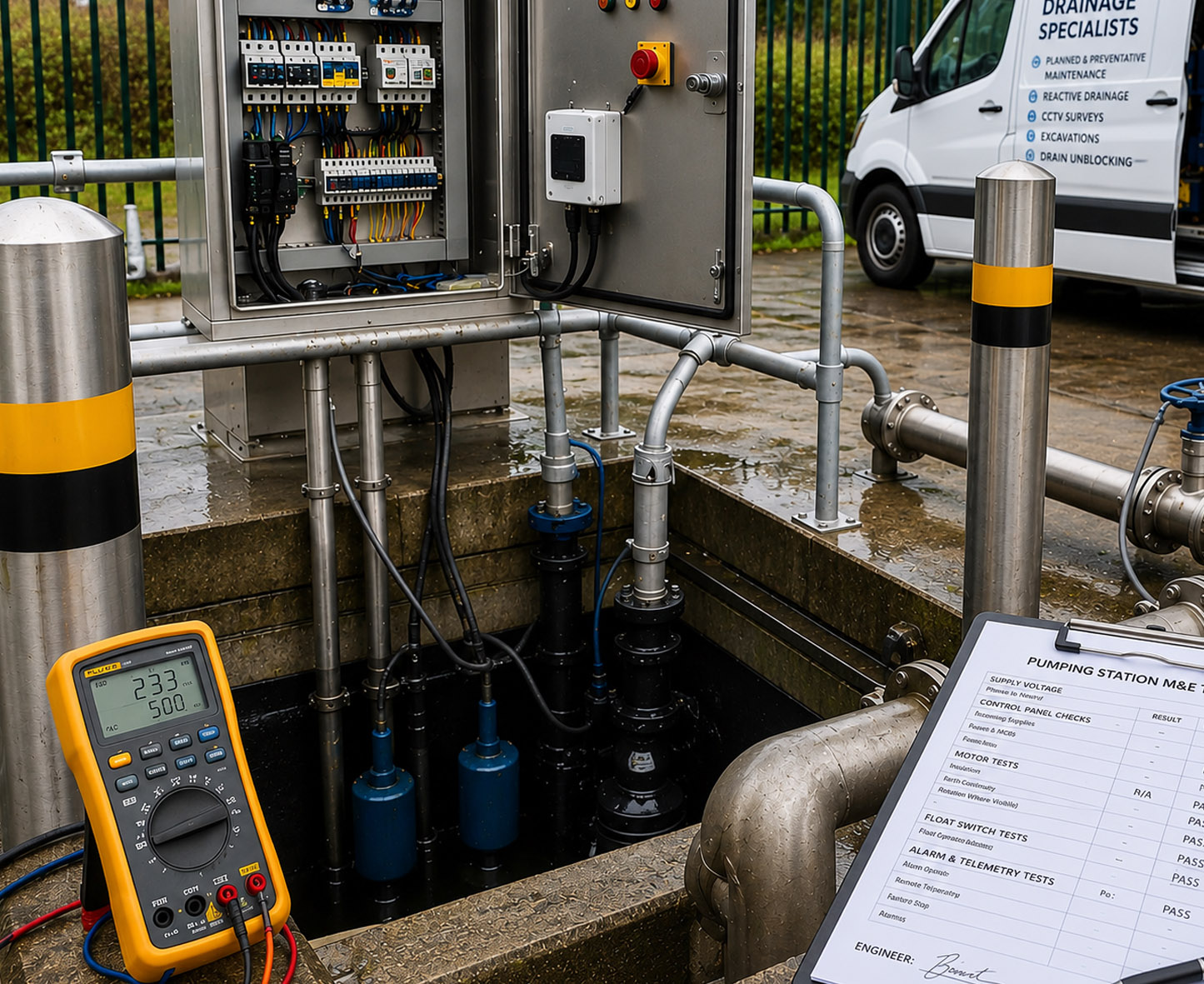
Pump Station M&E Testing
Mechanical and electrical testing checks pump performance, control panels and safety systems to identify potential faults.
Learn more
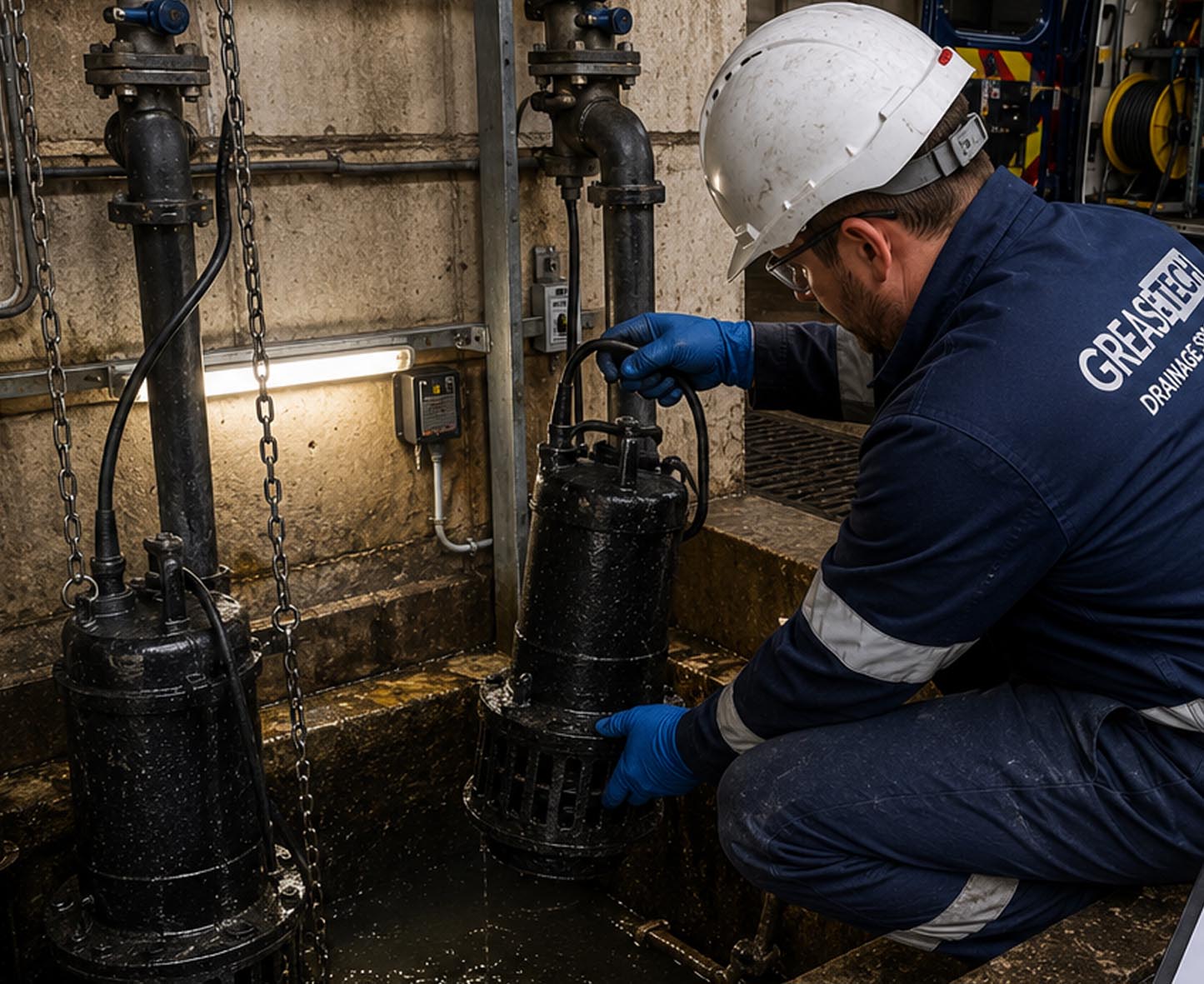
Sump Pump Repair & Maintenance
Inspection, servicing and repair help keep sump pumps working reliably and protect sites from water build-up.
Learn more

Regulatory Advice
We provide clear regulatory advice to help your business understand its drainage, grease and wastewater responsibilities.
Learn more
Grease Trap Installation
Our team installs grease traps safely and efficiently, helping your site manage fats, oils and grease from day one.
Learn more
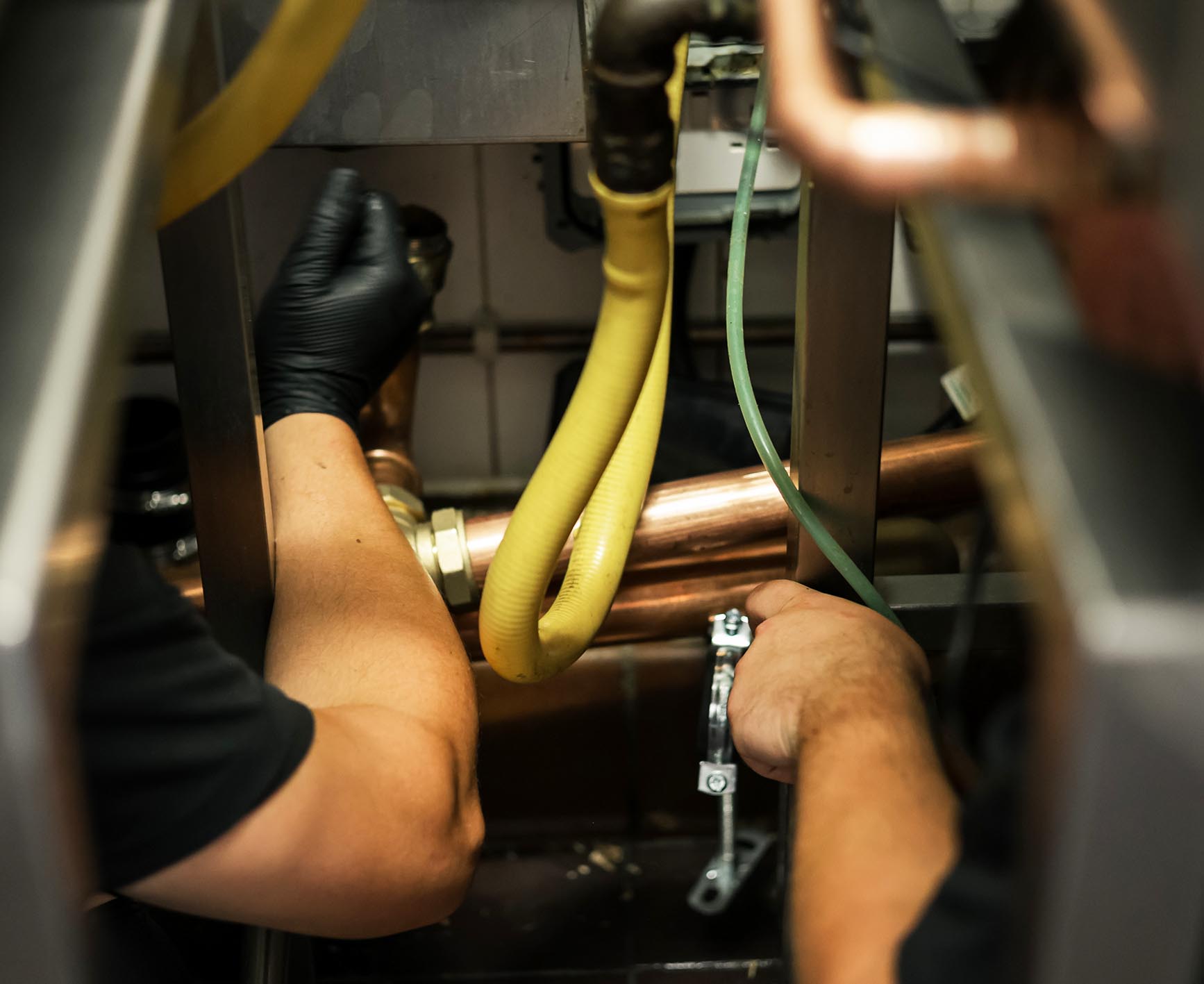
Grease Trap Service
Regular servicing helps keep your grease trap working effectively, reducing odours, blockages and operational disruption.
Learn more
Grease Trap Repair
We identify and repair grease trap issues quickly, helping restore performance and prevent further problems on site.
Learn more
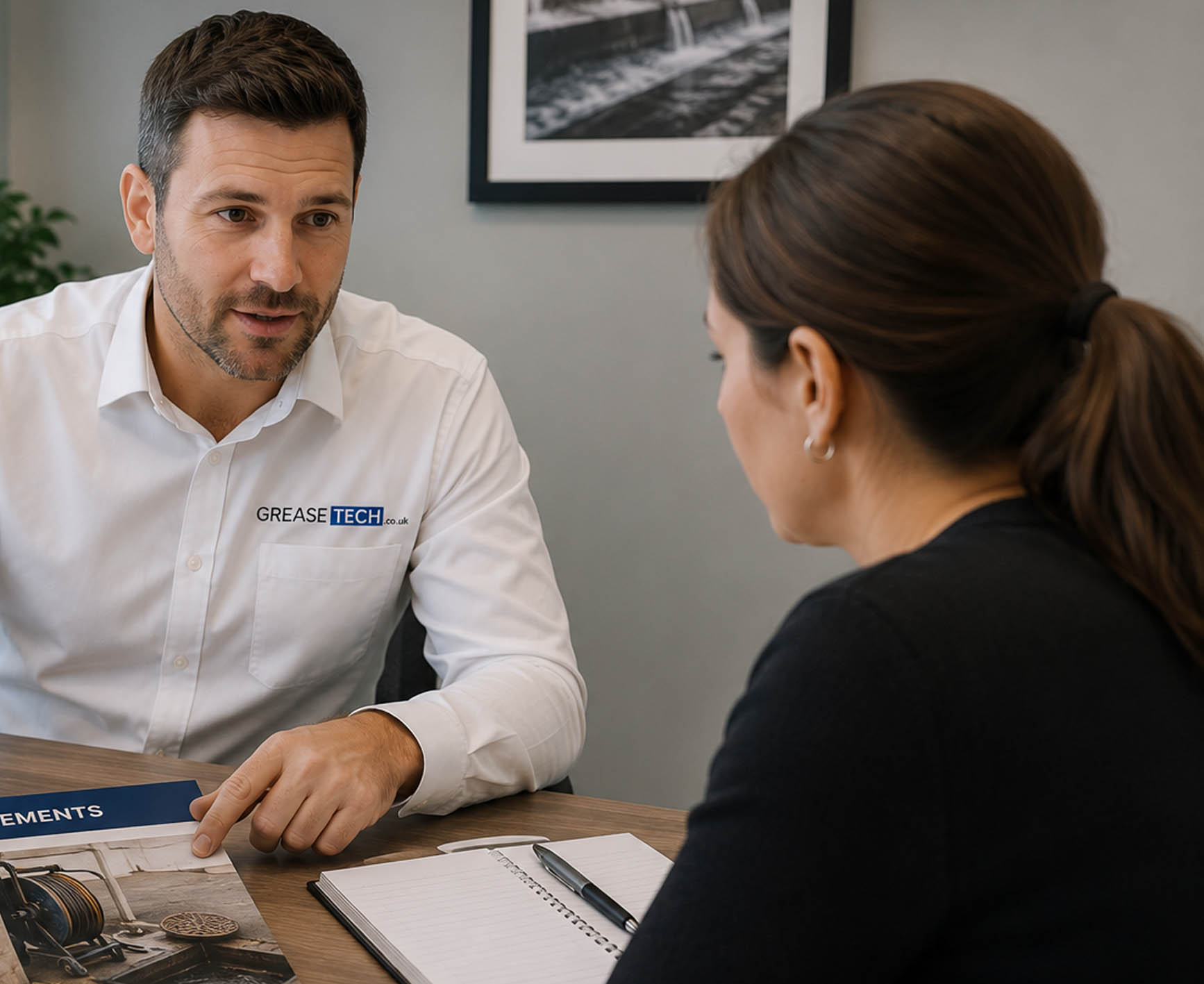
Legislative Guidance
We offer practical legislative guidance to help your site stay compliant, reduce risk and operate responsibly.
Learn moreWe offer 24/7 help
Yes, GreaseTech supports commercial sites across the UK with reliable drainage, grease management and compliance services. Whether you operate from a single location or manage multiple sites, our team can provide planned maintenance, reactive support and practical guidance to help keep your business running smoothly.
Yes, we provide responsive drainage support for urgent issues such as blockages, overflows, slow-running drains and unexpected system failures. Our aim is to attend quickly, identify the cause of the problem and carry out the necessary work to reduce disruption to your site.
Yes, we offer planned and preventative maintenance programmes designed around your site, usage and operational requirements. Regular inspections and servicing can help reduce emergency callouts, prevent recurring issues and keep drainage, grease and pump systems working efficiently.
Yes, we provide CCTV drainage surveys to inspect pipework, locate faults and identify issues such as blockages, damage, scale build-up or root ingress. After the survey, we can provide clear reporting and practical recommendations to help you decide on the most suitable next steps.
Yes, we support commercial kitchens with grease management services and practical compliance guidance. From grease trap installation, servicing and cleaning to advice on best practice, we help businesses manage fats, oils and grease responsibly while reducing the risk of blockages and disruption.